The journey from doctor to leader
Having worked with many hospitals and doctors, we keep noticing the same pattern: as a doctor you rarely want to become a leader, and once you are a leader you lack both the skills and the resources to work with people.
So we came together at Ida-Viru Central Hospital to learn how a doctor becomes a leader.
We ran five modules focused on being a leader, identifying your own mission, giving feedback, delegating, running meetings and taking responsibility. We discussed real leadership cases and worked out solutions together.
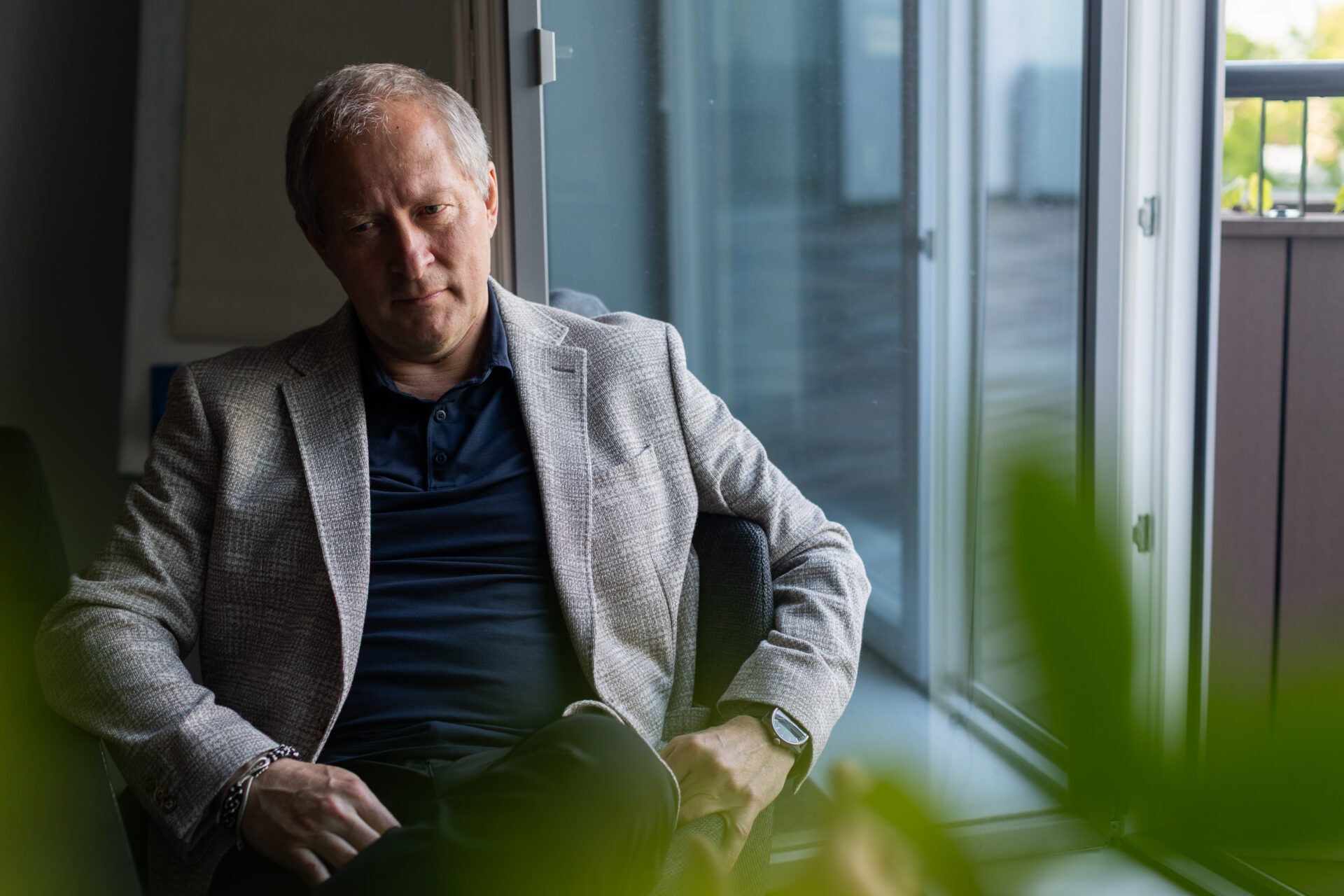
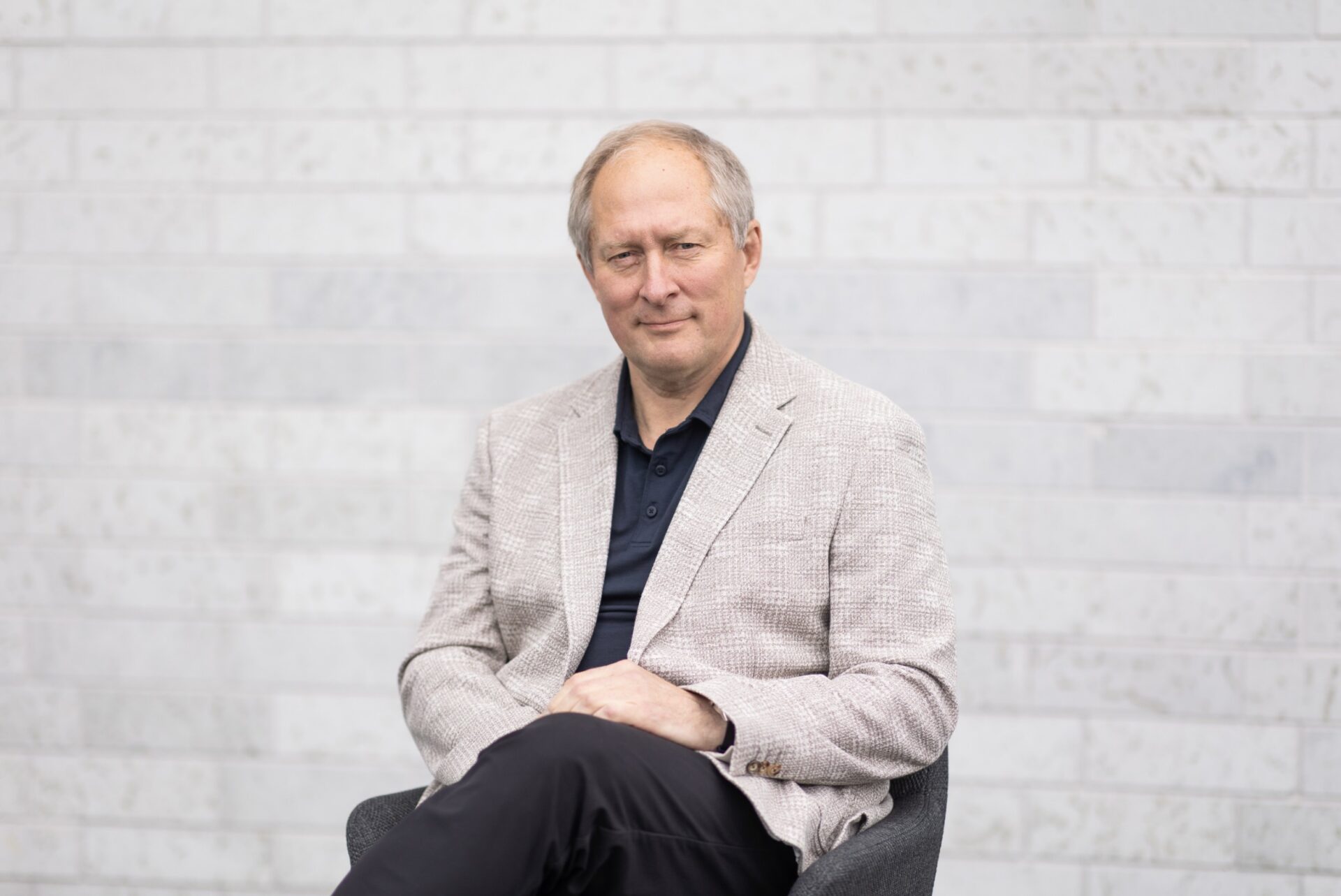
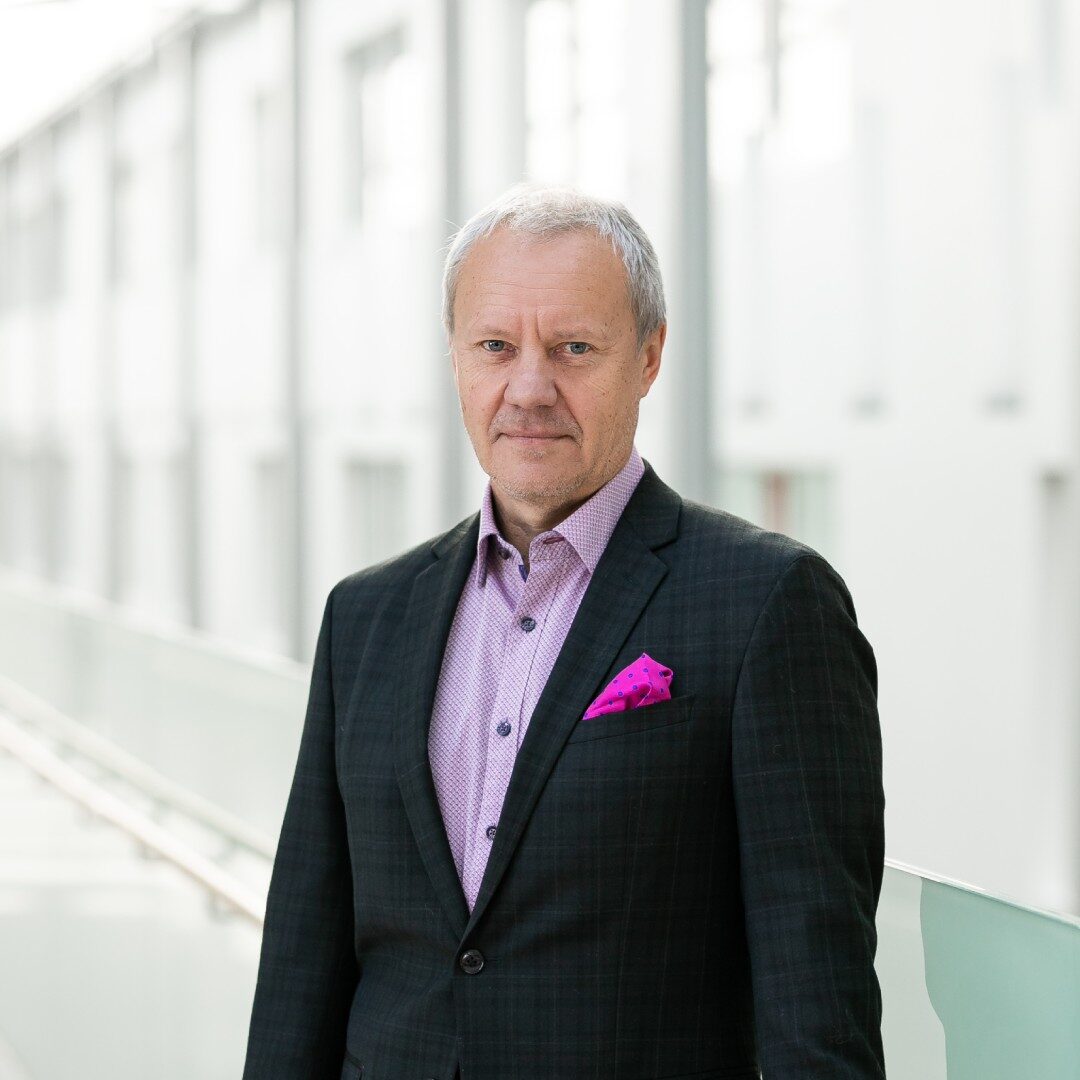
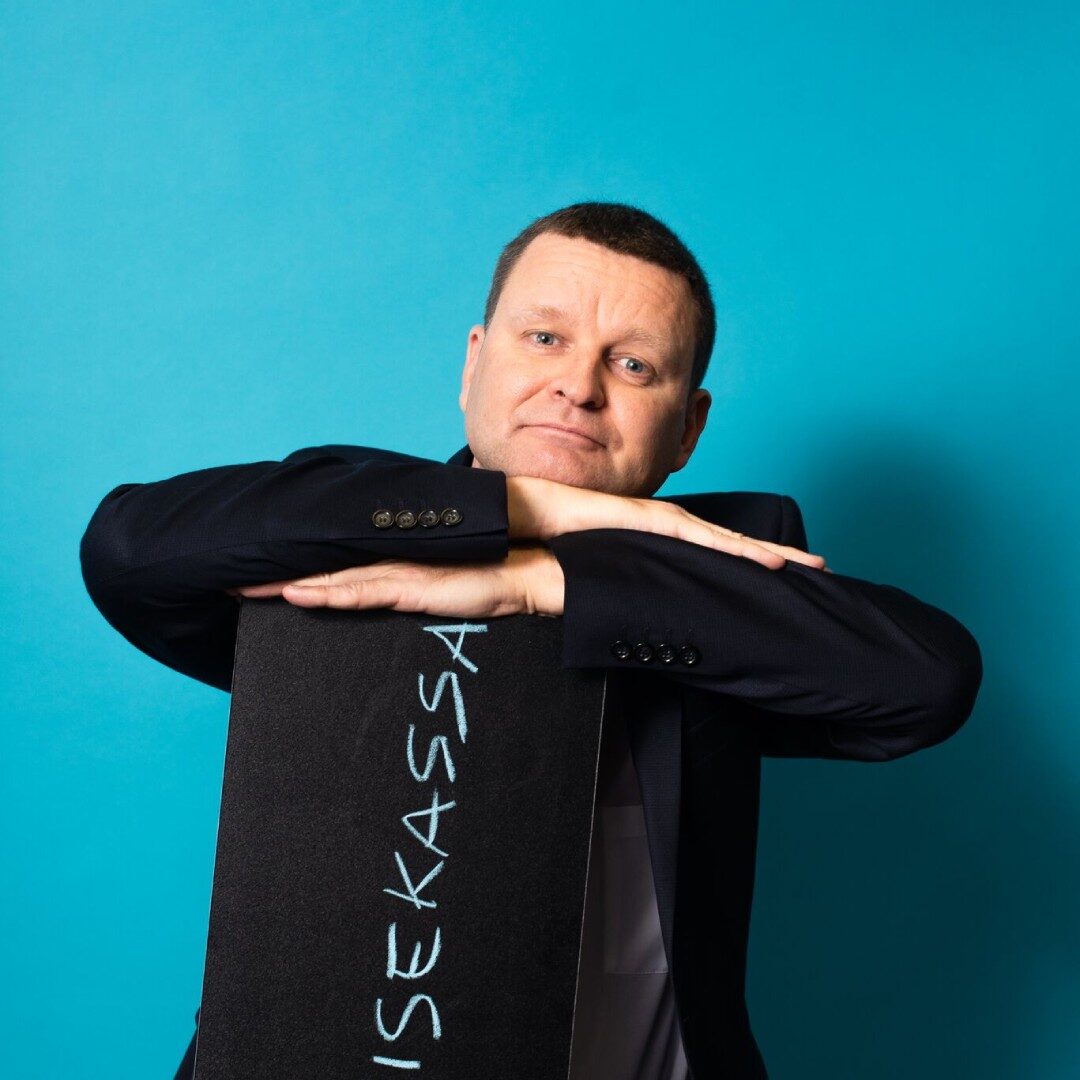
Around three months after the training, we interviewed the participants to exchange thoughts on both the programme itself and on leadership. We spoke with Aleksandra Šilova (2 years’ leadership experience), Talis Kirs (4 years), Tuuliki Hion (5 years) and Anna Gromova (3 years).
How does a doctor become a leader?
Aleksandra: Training like this opens up a sense of which direction to move in. But training alone is not enough — you have to be open and educate yourself. You need an inner sense of where you want to get to. Studying medicine focuses on entirely different topics, so you have no way of guessing what lies behind leadership. That is why you first have to understand what leadership rests on, what the fundamentals are, and only then start developing yourself in that direction.
Anna: In my view, leadership is not for everyone. To lead others you have to want to do it, and of course you need to bring in creativity. First, you have to be able to take people into account and accept that alongside working life there is also private life. Second, developing people matters — not just answering emails and dealing with documents. Third, setting goals, so there is a target and a direction to move in. For me that was very difficult — realising that, oh, there are people here too. Leadership is endless self-development.
Tuuliki: I was asked to come and build the outpatient psychiatry department. I had always been drawn to internal communication within organisations, and I had also been involved in building the sleep medicine team at the Clinic’s psychiatry department. Taking on a new challenge felt motivating.
Talis: I think becoming a leader is for those doctors who are ready to do a great deal of work. To reach senior leadership at all, you have to be ready to work around 80 hours a week for about ten years, and then you have a chance of becoming a leader. If you are not ready for that, you have no chance. A young doctor has two directions — either the professor’s path (where the workload is also heavy) or moving towards leadership. With the latter you cannot give up clinical work; you have to do it as well, otherwise your qualifications slip. Leading people has to be an inner mission. Work has to be a mission. So the first question to ask yourself is whether you are ready for it.
What were your expectations coming into the programme
Aleksandra: I have been working with coaching for a long time, and I was curious to find out whether there was anything new in the field.
Anna: My aim was to work together with my colleagues in a friendly way, to spend time and think together. To talk. I had a personal “must have”: to get help with putting together and running development conversations. And I have now worked through the material and I am on the home straight with the form. On your recommendation, I decided to call the development conversation a collaboration conversation.
Tuuliki: I had wanted to go on leadership training many times. There is very little leadership training in the medical system. As I am the only leader in my specialty at IVCH, it felt as though there was no one to discuss my own topics with. I had missed having a mentoring programme and I had missed having leadership skills. I couldn’t put my finger on which specific skills I picked up. Everything we covered was necessary. Alongside leadership skills, you also need financial knowledge — knowing what the head of a unit needs to know. In a hospital, everyone is self-taught in these areas. There is no training for medical leaders.
Talis: I thought I would learn something new. And I did. Giving feedback was important. Listening to other people and to different opinions was equally valuable.
What was the most important thing you learned?
Aleksandra: The first thing that comes to mind is the importance of listening to yourself. The vector inside you points in the right direction: you shouldn’t always do exactly what others say, but start from your own values and goals. I am young, I have never led a department before, I don’t have the knowledge — the goals and ideas come from what has built up in my head. It was important to learn that there is nothing wrong in my own head, and that I need to believe in myself. The training helped build that belief.
Anna: The most important thing for me was finding confirmation that the hierarchy of a team is now built so that the triangle is the other way up — the leader is at the bottom and the people are at the top. Understanding how that model works in real life.
Tuuliki: What I can use every single day are the feedback techniques. The idea that a leader is the person who supports their people’s development – that is priority number one. And the idea of how people come to take responsibility. Techniques for trusting people and giving them the space to get on with things. And watching for the conditions in which people start taking responsibility.
Talis: Probably giving feedback and development conversations. Also the chance to learn from other people and to hear what they think of our progress and our work. What runs through it all is how important it is to know where my people want to get to, so that as a leader I can steer my department through that. How I reach my people. Leadership works through my people and what they want, not through what I want. No one has ever held a development conversation with me, and I have never held one either. I have already raised it in my department and people were positive about it.
What would you recommend to a doctor who wants to become a leader?
Aleksandra: Patience. One thing that matters enormously to me is finding the people around us who support us. We are not alone. Having people you can talk things through with – together it is far easier to make change happen and to deal with resistance. Together it is much easier.
A leader is not alone – it is important to understand that the title does not come with a „mask“, it comes with collaboration.
Anna: Strength and wisdom. The ability to listen to others and take their views into account. You cannot simply say that I am the leader, I have decided and that is that. Things need to be talked through.
Tuuliki: A leader could start by developing themselves and should definitely find some training, and take on a mentor where possible. That is a huge help early on. Be bold and start learning straight away!
Talis: I would recommend thinking your own direction through – where you want to go, whether to do science or to work with people. In my view you cannot do both well at once. You should think your private life through too, because the effort comes at the expense of those close to you, so your partner and family have to be behind you.
What knowledge do you feel the greatest need for today?
Aleksandra: Cooperation with the management board could be a little closer and better. I would like every leader in our organisation to be marching in step, and for people to know why things are being done..
Anna: Noticing one another. From time to time I feel that I am not taken as one of their own. The attitude that she is the boss, off in her own world – she won’t listen to us anyway. When I ask people, there are no opinions. And then at some point they light up. I came here from Tallinn, and I still feel like an outsider.
Tuuliki: The internal matters within the organisation that a leader needs to know. I am also short on the legal knowledge a unit leader ought to have. The same goes for financial management. A few things to do with organising the work could still be part of the programme. Sadly, many middle managers often have a feeling of only just scraping a pass: they don’t know whether they are doing their job, or how well. Organisational culture and internal communication are important topics to work on too.
Talis: I think branding ourselves, so that young people want to come here. The issue is not the hospital, it is the whole region. People don’t want to come and live here today. We should make the region more attractive, and I should be the one driving that. We need to reach people across Estonia, including those living in Tallinn or Tartu.
What did we learn as trainers?
First, that organisations make far too little use of their internal potential and their scope for working together. How do we bring good ideas together more often and more effectively? Second, most problems are left hanging because of a lack of communication skills and because of fear. There is enormous potential in people, and that is true in every organisation. The question is how well leaders can see it and bring it to life. It was a joy to see that at Ida-Viru Keskhaigla they are working hard in that direction and that people care about one another.