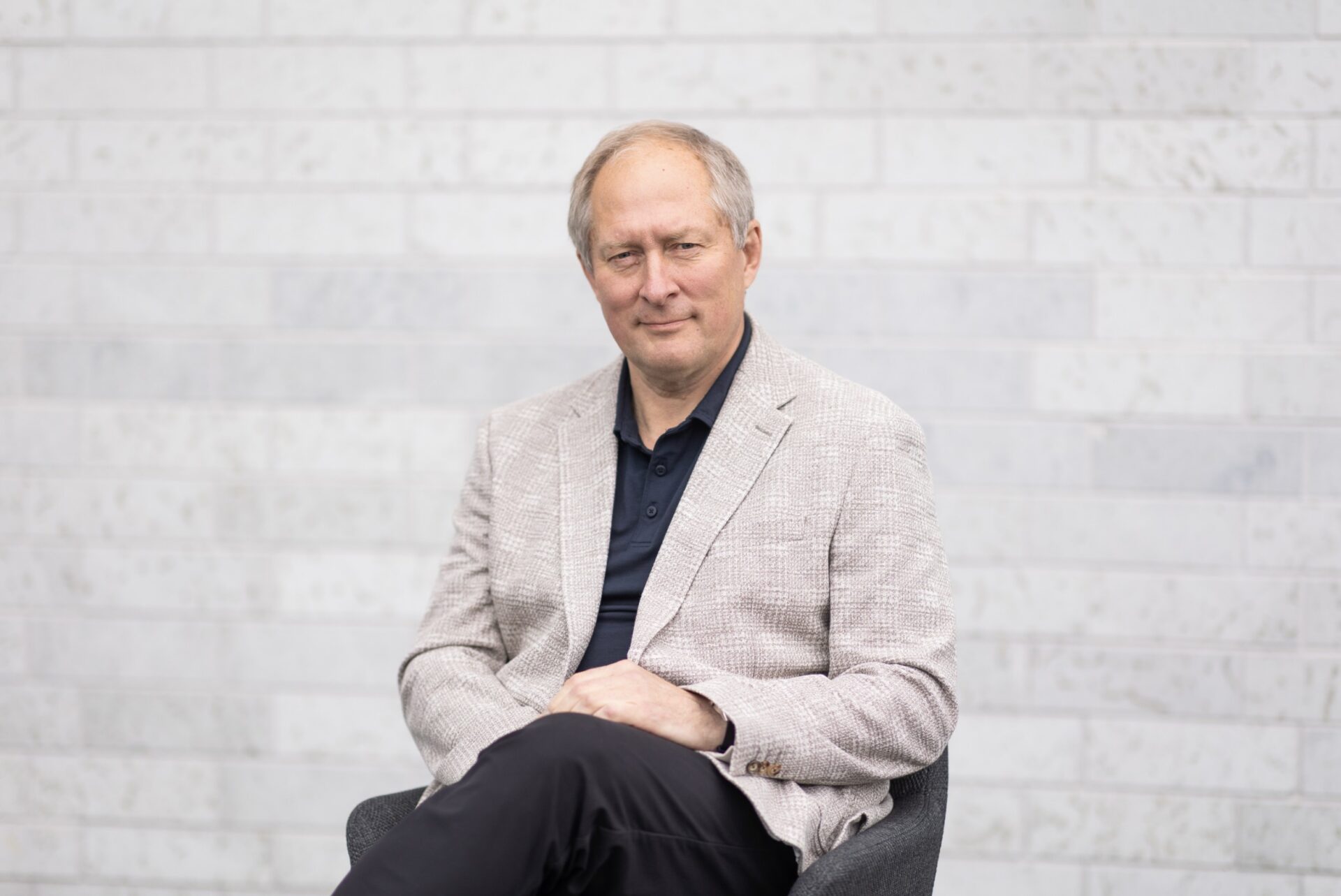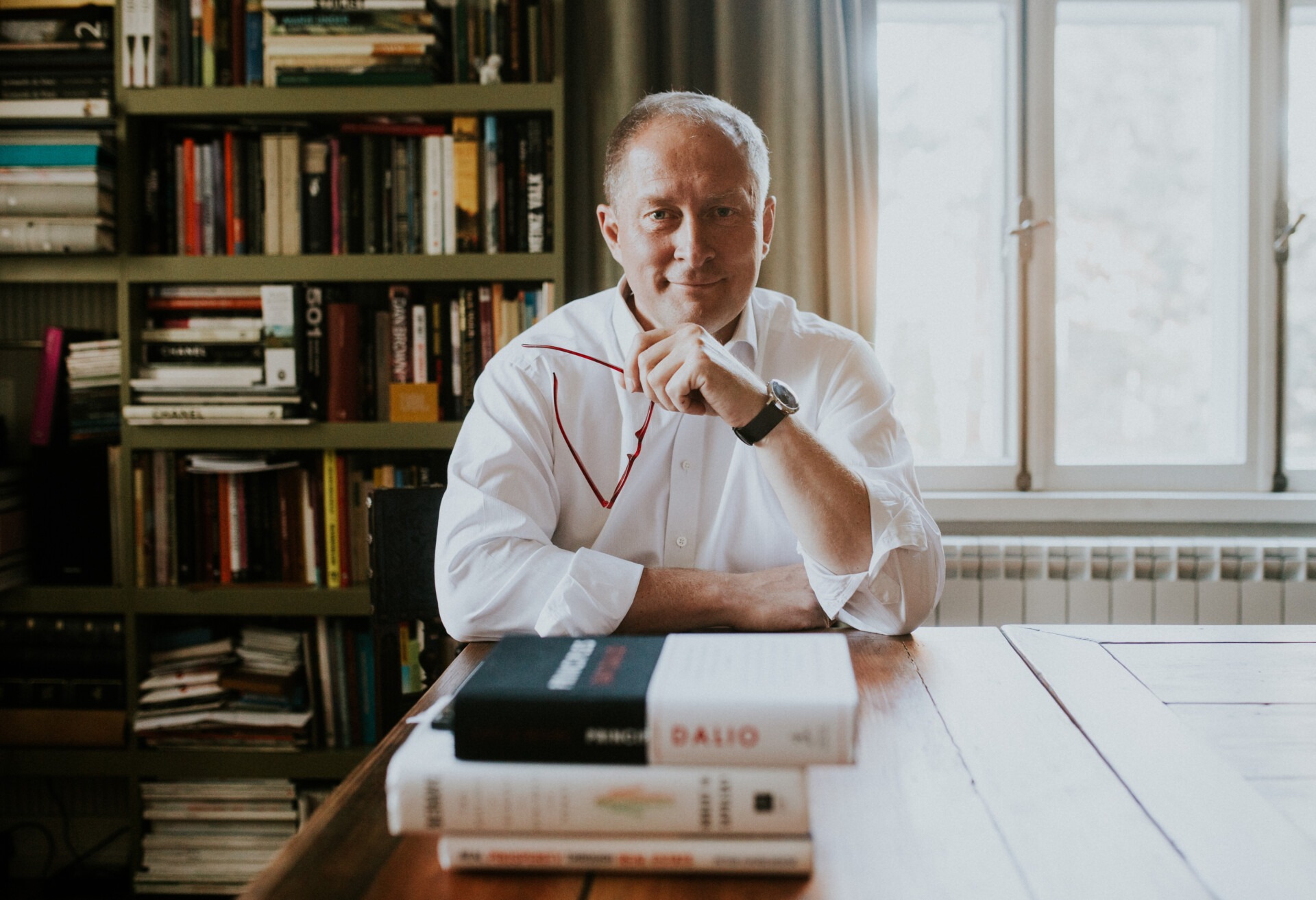
Speaking in Postimees’ live studio, trade union leader Peep Peterson and Employers’ Confederation head Toomas Tamsar pointed out that although some companies have already turned their attention to developing middle managers, the work is still largely incomplete. Competition for employees, Tamsar says, will force them to take it on.
“HK Scan’s head Anne Mere is still behind a barrier,” Peterson said
of the dispute at the meat processing plant. “There is far too much denial, and nobody has yet dared
to look the problem in the eye. Employees are ready to propose how a pay rise
could be achieved through a combination of several components. That requires the employer to step
out of its position.”
“The employees now in dispute have very little experience of negotiating,” Tamsar replied.
“Sitting down at the table and saying 50 per cent doesn’t get you
very far either. Nobody is going to add 50 per cent, and nor will they add 30. There isn’t much
reason to dream.”
“The media image of the dispute is that the same people in Rakvere have been working
for slave wages for ten years now. The fact is that pay there is actually above
Estonia’s median wage,” Tamsar added. “The people who work there are among
the better-earning half of the population.”
The middle-management bottleneck
“Most of it comes down to leaders,” Tamsar noted. “Estonia has a great many good
companies that invest in developing their leaders. The bottleneck is often the middle managers, who have little experience, little knowledge and perhaps little support
from the top team.”
Tamsar says what has improved Estonia’s working culture most is its
links with Scandinavian companies: “They have been a proving ground for many Estonian
leaders. But these processes take time. Many senior leaders still don’t
understand how important it is to work with middle managers and develop them.”
“But the labour market is tight, and getting tighter. Competition
for employees is fierce – there is no doubt about that. That is where the realisation comes from: that
you have to keep your people and develop your leaders,” he added.
An information vacuum at the top
“Middle managers are often left on their own and handed unrealistic
expectations,” Peterson agreed. “They are caught between two fires, and then the uncertain
muddling begins. If information only travels in separate channels, the top team may
have no idea what is happening in the company.”
Tamsar pointed out that setting financial goals and demanding they be met
is an entirely logical part of any business process; Peterson added that very
good results come from involving every level, including on the subject of
reaching those financial goals.
“Alone you sail faster, but as a team you sail further,” Tamsar added.
A very Estonian lack of empathy
In Estonia, communication tends to be clumsy on both sides, and that goes for
employees too.
“We have had a great deal of macho posturing, but
our culture of debate is quietly improving here as well,” Peterson said.
“I don’t think Anne Mere is behind the wall Peep is pointing to,” Tamsar
added. “She is a very experienced leader and she sees it perfectly well. But
the room for a pay rise is very small, and problems have to be looked for where
they arose – that is, in poor communication within leadership.”
To close the empathy gap, both men pointed to the need for companies to meet
more often and across a wider cross-section, and to discuss the internal climate.
“It sounds bureaucratic, but it produces very good results,” Peterson acknowledged.